A Visual Shortcut That Saves Hours
When we worked on a recent brand video, the timeline was tight. The Director of Photography (DOP) was bubbling with ideas, but we had just a day to get the shots. Talents needed managing, scenes had to flow, and there was no time to second-guess the aesthetic.
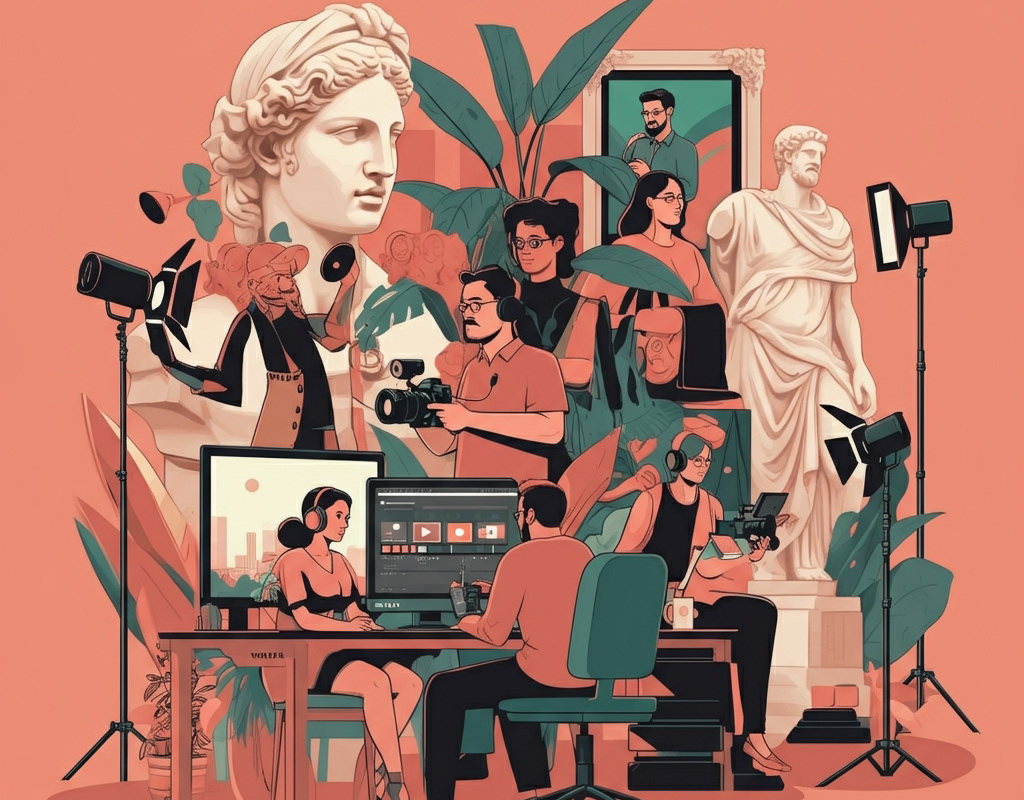
We pulled out the moodboard. Within minutes, the DOP, director, and production crew were all speaking the same visual language. One glance, and everyone knew the tone, the color feel, the energy. Fewer explanations, fewer retakes.
Reference Videos: The Real-World Storyboard
While storyboards sketch the shot, reference videos show the heartbeat. They help directors and DOPs understand how a scene should move—how the camera breathes, how pacing builds tension or calms a moment.
On a corporate shoot with limited lighting and time, our team used a single reference clip to communicate an entire scene’s rhythm. That video saved us at least an hour of trial and error on set.
Aligning Everyone, From Shoot to Post
Moodboards don’t end on shoot day. In post-production, they guide editors, colorists, and designers toward a consistent look. When delivering videos, social media visuals, or digital banners from the same campaign, the moodboard ensures visual unity across every format.
Without one, every output becomes a separate interpretation. With one, everything sings in tune—even across different hands and timelines.
When Ideas Outpace Time
Budget constraints or short production windows mean every minute counts. A well-chosen reference video can ground everyone fast. It answers creative questions that words can’t.
And when resources are stretched, it helps manage expectations. The DOP knows where to place the effort. The director knows which scenes carry the mood. The editor knows what to pull out.
TL;DR
Moodboards and reference videos are more than prep—they’re the thread that holds the creative together. Use them to save time, avoid confusion, and keep your team focused on what matters most: delivering the story right.