Costs That Don’t Appear at First
At adVirtus, we’ve seen how easy it is for small decisions to quietly add up. A client once needed a corporate video within a short timeline. The brief was simple, but the shoot ran overtime when lighting setups took longer than expected. The location didn’t allow enough time for scene transitions, so we had to come back the next day. That meant added crew hours, more equipment rentals, and extended post-production timelines.
None of this was anyone’s fault—it’s just the nature of production. But these surprises can be avoided with honest planning.
Planning With Licensing in Mind
One thing that often gets missed in early discussions is licensing. Music, stock footage, or any archival visuals come with rights attached. And depending on how long you want to use them—or where the video will appear—the cost can jump.
That’s why we clearly list licensing costs in every quotation from the start. If the budget is tight, we scale down the shoot, reuse our own footage archive, or lean on stock footage that maintains the same energy and mood. The goal stays the same. But how we get there adjusts to fit what the client really needs.
The Talent Variable
Casting is another layer. Some clients request high-end talent midway through the planning—perhaps after seeing another campaign they admire. That’s a valid creative pivot. But seasoned talents come with different rates, availability needs, and expectations.
In our quotations, we include a range for talent fees so clients can see the spectrum before committing. Whether they go with experienced actors or emerging talent, they’re choosing with clarity, not reacting in the middle of production.
Travel, Permits, and Logistics
Sometimes the perfect shoot location isn’t around the corner. Travel costs, permits, parking fees, and site access are details that don’t always make it into the early brief—but they should. If your video calls for a drone shot at a nature park or filming on a commercial property, those permits come with paperwork, time, and fees.
We always flag these in advance. It helps align creative vision with real-world logistics—and keeps everyone on schedule.
Post-Production Add-ons
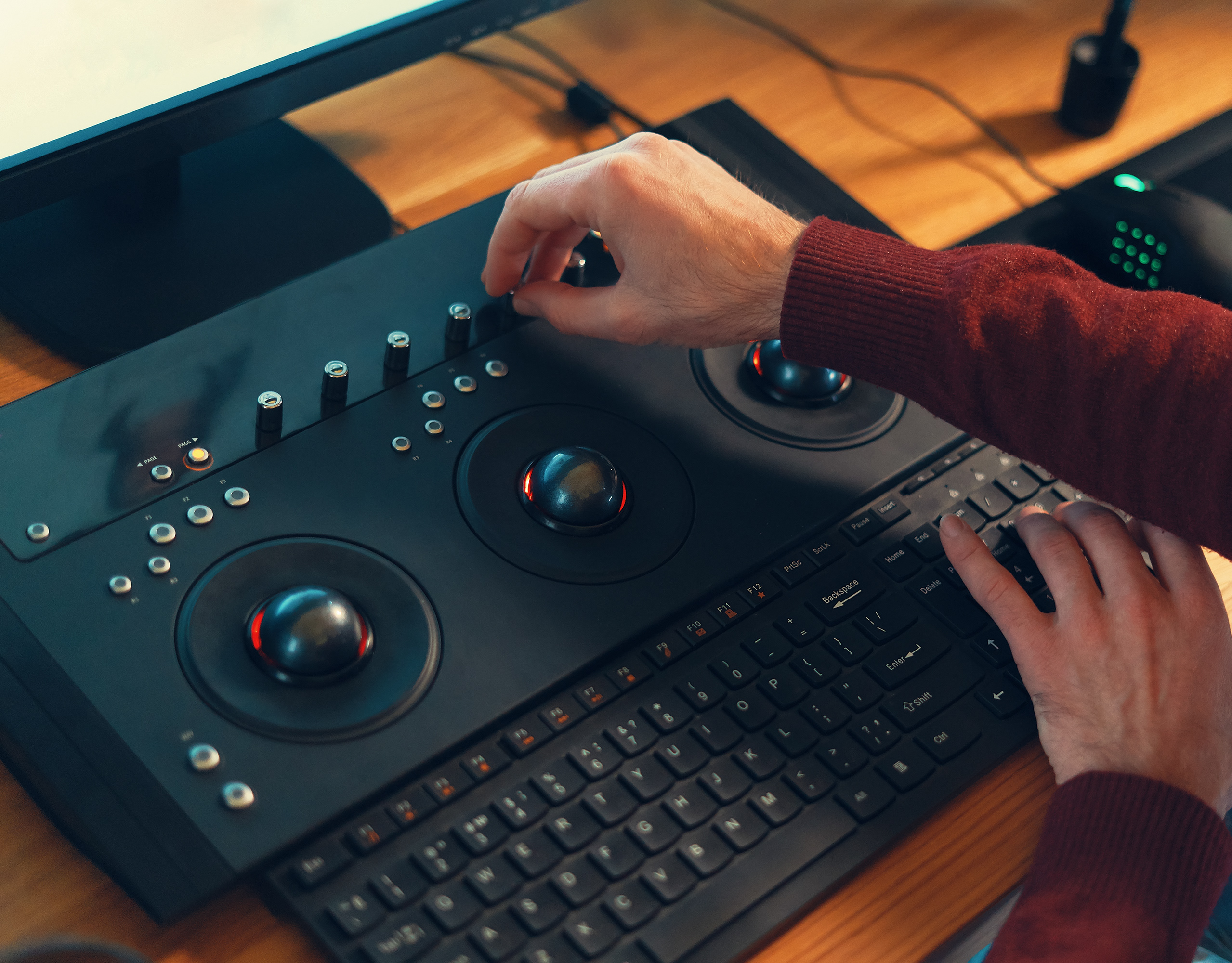
Editing isn’t only about cutting scenes together. Visual effects, color grading, custom animations, subtitles, or versioning for different platforms can all add time and cost. Many clients initially imagine one version of the final video but later request multiple cutdowns for Instagram, YouTube, or internal use.
These can absolutely be done—but only if they’re budgeted in early. That’s why we always ask clients about distribution plans at the first meeting. It helps shape the edit from day one.
Why It Pays to Be Transparent
The clearest way to avoid hidden costs is to start by making everything visible. Our estimates aren’t padded—they’re mapped. Every line item is meant to tell a story: what’s needed, what’s flexible, and what should be decided early.
This builds trust. It also prevents misunderstandings during the shoot or at the edit table. Fewer surprises mean smoother work—and more space for creativity.
TL;DR
Hidden costs in video production often come from overtime, permits, licensing, post-production add-ons, and talent pivots. Clear estimates and early planning prevent surprises.