1. Lighting That Flatters You
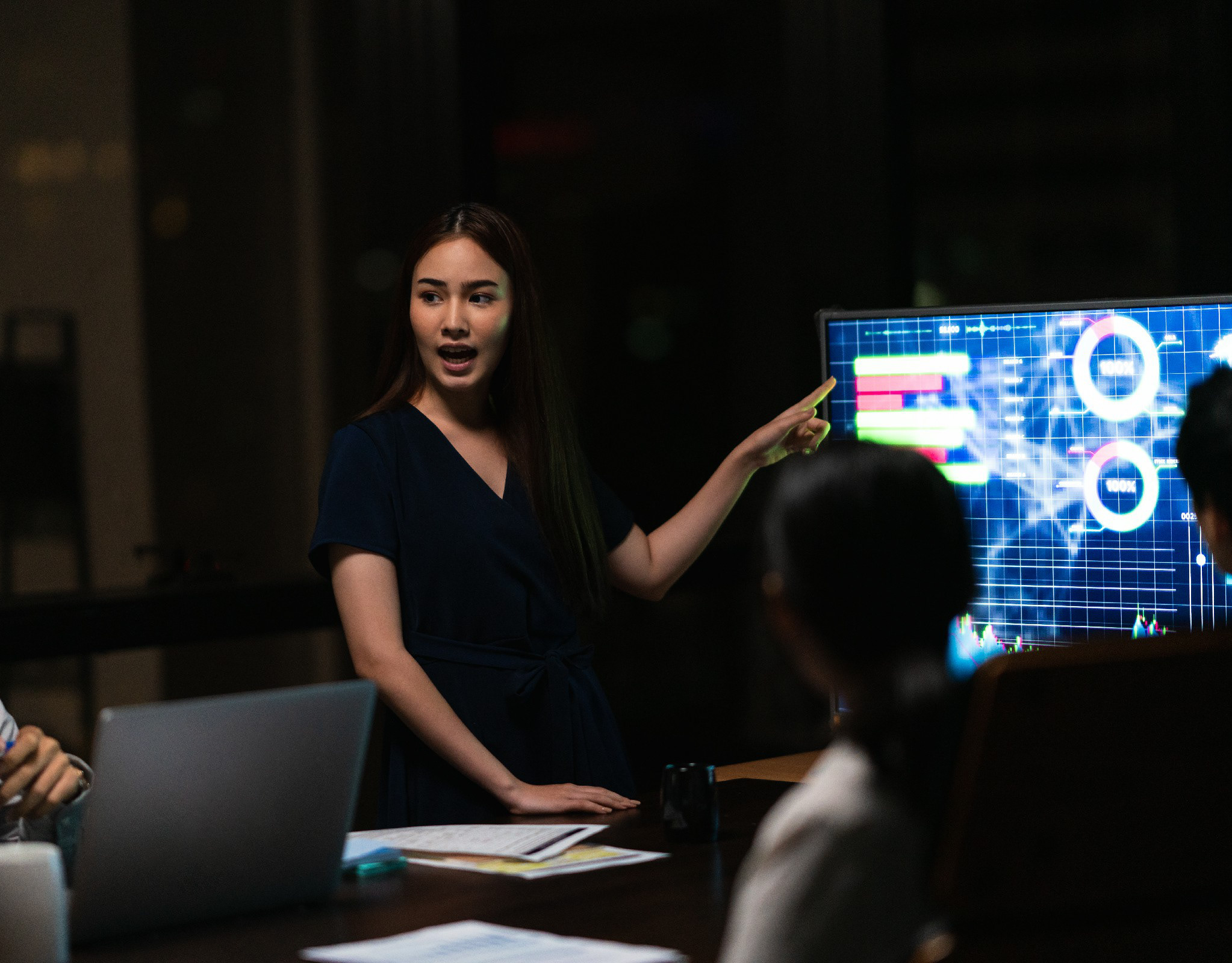
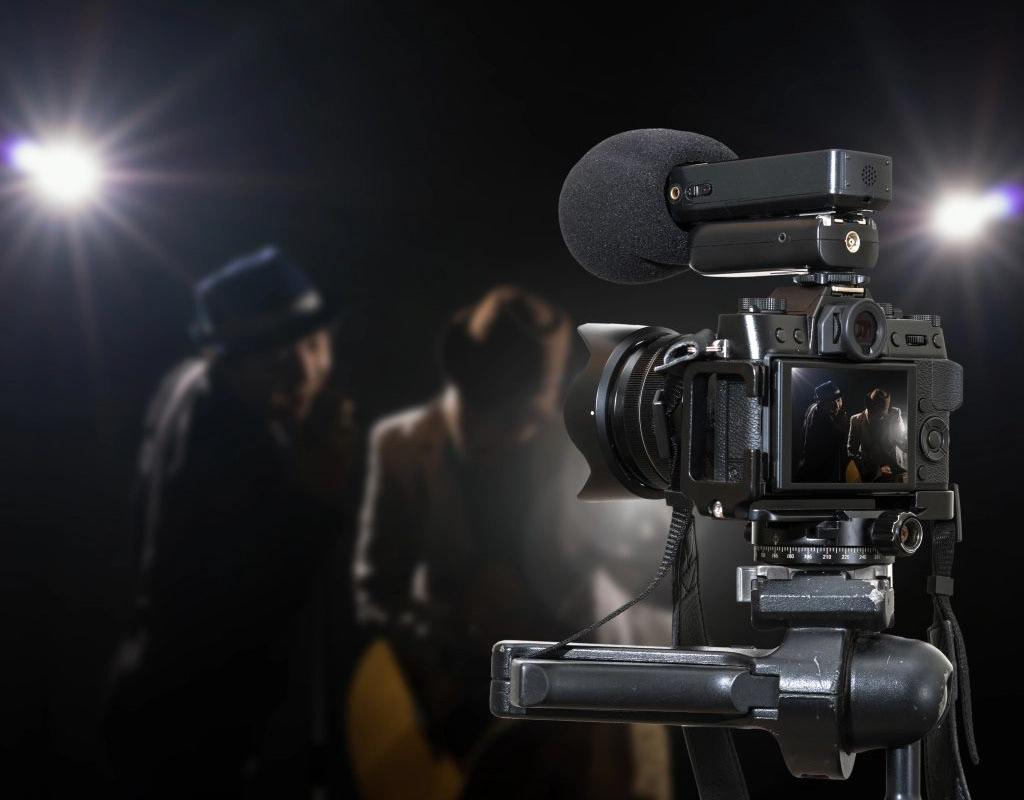
Nobody wants to look tired or washed out on camera. The right lighting makes you look confident, sharp, and trustworthy. We set up lights to remove harsh shadows and highlight your best side — so your audience focuses on your message, not a shiny forehead.
2. Background That Supports Your Story
A cluttered or messy background distracts from what you’re saying. We carefully select or adjust the setting so it feels relevant and professional — whether it’s in your office, a neutral backdrop, or a setting that reflects your brand.
3. Framing That Feels Natural
Have you ever seen an interview where the person looks like they’re posing for a passport photo? That’s bad framing. We position you so the shot feels relaxed and conversational, giving your audience the sense that you’re speaking directly to them.
4. Audio That’s Crystal Clear
Viewers can forgive visuals, but they won’t forgive bad sound. That’s why we use professional microphones and backups to make sure your voice comes through crisp and clear — no echoes, no muffles, no distractions.
5. Making You Comfortable
The camera can feel intimidating. Our job is to make you feel at ease before we hit record. A bit of warm-up conversation, guiding you on where to look, and helping you settle in — it all adds up to a more natural, confident performance.
Final Thoughts
A good interview shot doesn’t shout “production” — it just feels right. When lighting, framing, sound, and comfort are handled with care, your audience won’t notice the setup at all. They’ll simply connect with you and your story. And that’s what makes your brand message unforgettable.
TL;DR

‣ Good lighting = you look your best.
‣ Clean background = no distractions.
‣ Smart framing = natural conversation.
‣ Clear audio = message comes through.
‣ Comfort = confidence on camera.
At the end of the day, a professional interview shot builds trust with your audience — and trust is the foundation of any strong brand story.
You may also like

Why Moodboards and Reference Videos Speed Up Everything
Let’s say you’re preparing for a shoot. The location is locked, the team is ready, and the camera gear is loaded. Everyone’s on set—but there’s a catch. What exactly are we aiming to see? This is where things either click... or stall. Creative direction can feel like a fog when it isn’t visual. That’s why moodboards and reference videos aren’t extras—they’re the backbone of any well-run shoot. They help the team sync up visually before the first light is turned on.
2025
How Involved You’ll Be in the Process
When you hire a production team, you’re not just pushing a button and waiting for magic to happen. You’re hiring creative partners who work with you, not just for you.
2025
Do You Really Need a Storyboard? (Short Answer: Yes)
Let’s put it this way—would you build a house without a blueprint? Probably not. You wouldn’t tell the contractor, “Just wing it and surprise me.” You’d want to see the layout, know where the walls go, and check that the bathroom doesn’t end up in the kitchen. In video production, a storyboard is that blueprint.
2025
5 Script Styles That Shape Short Documentaries
So you’ve decided your brand, your story, or your cause needs a short documentary—tight, punchy, 90 seconds long. You know what you want: something that moves people. Something that makes them care, understand, remember. But then comes the golden question: "How should we tell it?"
2025
How to Negotiate with a Videographer
Let’s face it: creative work can feel like a mystery box. You know what you want—a solid video that tells your story—but when you reach out to a videographer, you get hit with a quote. Maybe it’s higher than you expected. Maybe you don’t know what goes into it. Maybe you wonder, can I negotiate this?
2025
3 Truths About Turnaround Times in Video Production
Great Videos Don’t Happen Overnight Let’s be real—everyone wants things fast. But great videos aren’t just made overnight. While we can work quickly, real creative impact takes time. Rushing often means sacrificing depth, quality, or clarity. So if you’re aiming for something that truly lands, give it the space it needs to shine.
2025
Meeting a Videographer? Here's Your Homework First.
Let’s say you’ve decided to invest in a video. Whether it’s to tell your brand story, showcase your product, or capture an event, the next logical step is to talk to a videographer. But here’s the catch: the more prepared you are before that first meeting, the smoother everything goes—and the better your video turns out.
2025
Subtitle Isn’t Optional Anymore
Think about how many times you scroll through videos on mute. It happens every day. You’re in a café or at your desk, and you catch a clip that speaks to you even without sound. That’s the power of subtitles.
2025
3 Common Mistakes When Giving Video Edits
You’ve seen the first draft of your video. You like parts of it. You’re not sure about others. It’s time to give feedback. But here’s where a lot of projects slow down—or worse, go off track. Edits are a normal part of video production. In fact, they’re essential. But how you give them makes all the difference between a project that flies and one that flops in revision hell.
2025
Green Screens Aren’t Magic: What You Need to Know First
A client walks in with a bright idea: “Let’s shoot it on green screen—then we can put anything in the background.” That excitement is real, and we love it. But before any cameras roll, we usually take a pause. Because green screens don’t work like magic. They work like science. And getting them right takes more than just a bright wall and wishful thinking.
2025
Back to Top