A Scene is a Message
Let’s say we’re filming your CEO. One version is a plain, fluorescent-lit office with a single static camera. The other frames them with soft, natural light, thoughtful composition, and slight camera movement that brings life into the frame. The message is the same, but the audience response? Completely different.
That’s because cinematography translates emotion visually. It builds trust. It signals effort. It shows your audience that you care about quality, and by extension, you care about them.
What Goes Into the Look
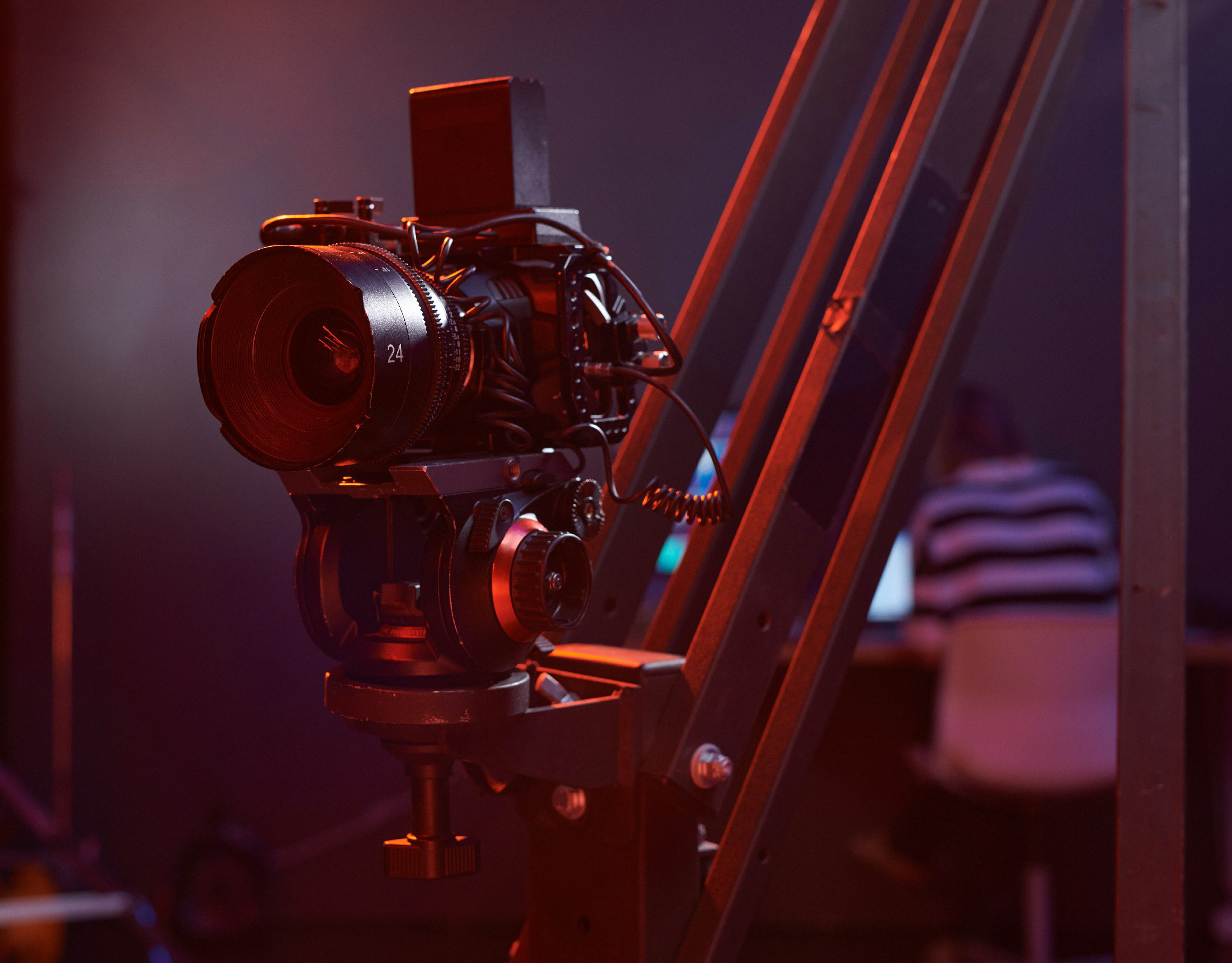
Cinematography is more than owning a good camera. It’s how that camera is used—lenses, lighting, angles, movement, and color. It’s knowing when to use shadows, when to keep it sharp, when to pull focus to a hand gesture or a knowing smile. All these choices work together to enhance what’s being said, or sometimes, what’s not being said.
We once worked with a company in the finance industry. Their request was simple: create a video about their services. What elevated it was how we visually shaped the narrative. We used clean framing, confident lighting, and subtle camera movement to reflect their trustworthiness and professionalism. The result? The team not only loved the final piece, but they reported stronger viewer engagement and better feedback from clients.
Why Experience Matters
Great cinematography is invisible to the untrained eye, but its effects are impossible to ignore. A skilled director of photography (DOP) understands how to capture the story visually while working within your budget and time. They adapt to challenges and find beauty in tight spaces or unexpected moments.
It’s easy to underestimate the craft behind a polished shot. That’s why working with a team that values the visual language of storytelling can completely shift the impact of your corporate video.
TL;DR
Cinematography makes your video feel intentional, trustworthy, and professional. It’s how your audience sees your message, and remembers it. A skilled eye behind the lens makes all the difference.