You’re not just buying camera time—you’re investing in a vision. The first meeting with a videographer isn’t just small talk. It’s where alignment begins. Ask the right questions, and you’ll get clarity, confidence, and creativity flowing from day one.
Here are 5 powerful questions to ask, and why they matter.
1. “What’s your process from start to finish?”
This one’s gold. Every good videographer has a system—from scripting to shooting to editing to final delivery.
Example: A client once asked this on our first call. We walked them through our timeline, feedback process, and how we handle revisions. By the end, they said, “You just answered questions I didn’t even know I had.”
✅ Why it matters: You want to know how organized and transparent the process is before the cameras start rolling.
2. “How do you tailor your approach for different industries?”
Your story is unique. So is your audience. A good videographer doesn’t use a one-size-fits-all template—they adapt.
Example: For a real estate agency, we focused on emotion and lifestyle. For a tech startup? We zoomed in on product features and bold pacing. Same tools, different goals.
✅ Why it matters: You want someone who gets your context and knows how to shape the visuals accordingly.
3. “Can you share a challenge from a past project—and how you solved it?”
This gives you more insight than any highlight reel ever could. You’ll hear how they think on their feet, work with teams, and deliver under pressure.
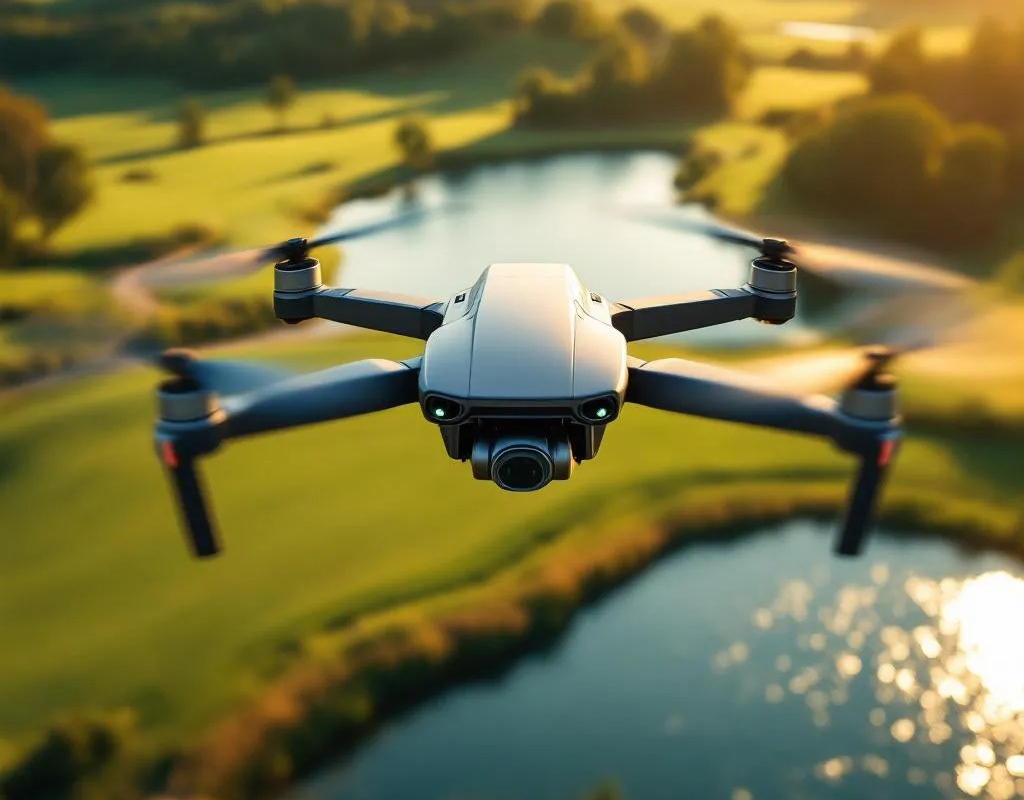
Example: Once, a client informed us that drones couldn’t be flown at their hilltop location due to local restrictions. Instead of scrapping the shot, we pivoted fast—using a Insta360 One X2 to capture dynamic, immersive footage that gave the same sweeping feel. Different tool, same vision, happy client.
✅ Why it matters: You’re hiring someone for their cool head as much as their camera skills.
4. “How do you handle feedback and revisions?”
Videos evolve. And your team may have notes. It’s not about whether changes happen—it’s how they’re handled.
Example: Once, a client told us about a frustrating past experience—another company refused to send them the actual draft and only showed it through a video call. That made no sense to us. We assured them that we work differently: we send the real draft, complete with watermark and timecode, so they can review it properly and give clear feedback. Whether it’s bullet points or a full call, we’re flexible—because good communication makes great videos.
✅ Why it matters: You want clear communication, not confusion, during post-production.
5. “What can I do on my end to make this a success?”
This one always surprises us. And we love it when clients ask. It shows you care about collaboration.
Example: Some of the smoothest projects we’ve had were with teams like GivingHub and FWD Takaful. Both had strong in-house teams who came prepared with clear branding guidelines, visual preferences, and tone of voice. They also shared past work—what worked, what didn’t—and gave us insights into their previous production experiences. That kind of clarity is gold. It helped us align quickly, avoid guesswork, and deliver exactly what they envisioned. Bonus? They assigned a single point person for feedback, which made communication super efficient.
✅ Why it matters: Great videos are a two-way street. Being aligned from the start avoids costly delays or second-guessing.
Let’s Get This Rolling
The first meeting sets the tone for the whole project. By asking smart questions, you show you're serious—and you invite your videographer to step up and show how they can make your vision real.
So take that first step with confidence. You don’t need to know every technical term—you just need to be curious, clear, and collaborative.
We’re ready when you are.
TL;DR
Don’t wing your first meeting with a videographer. Ask about process, flexibility, past challenges, feedback flow, and how to be a great client. Better questions = better video = better results.
Jom, let’s talk!
adVirtus Creative Works publishes these articles to assist prospective clients and the creative circle in making informed decisions. Based in Ipoh, Perak, and serving all of Malaysia—especially Kuala Lumpur, Selangor, and Penang—we specialize in corporate and branding videos, documentaries, and digital content strategy.